Herm Harbour
Guernsey
At a glance
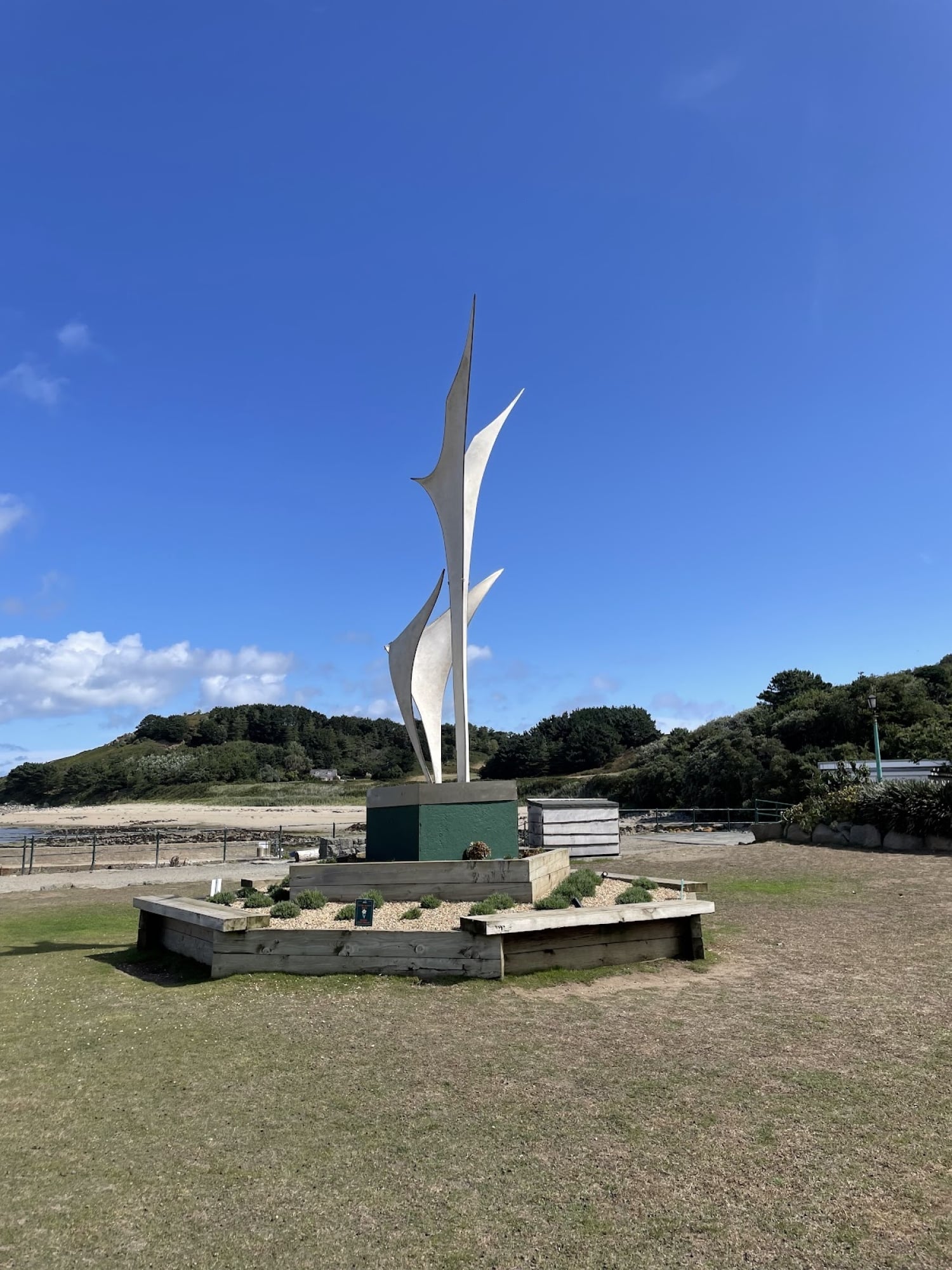
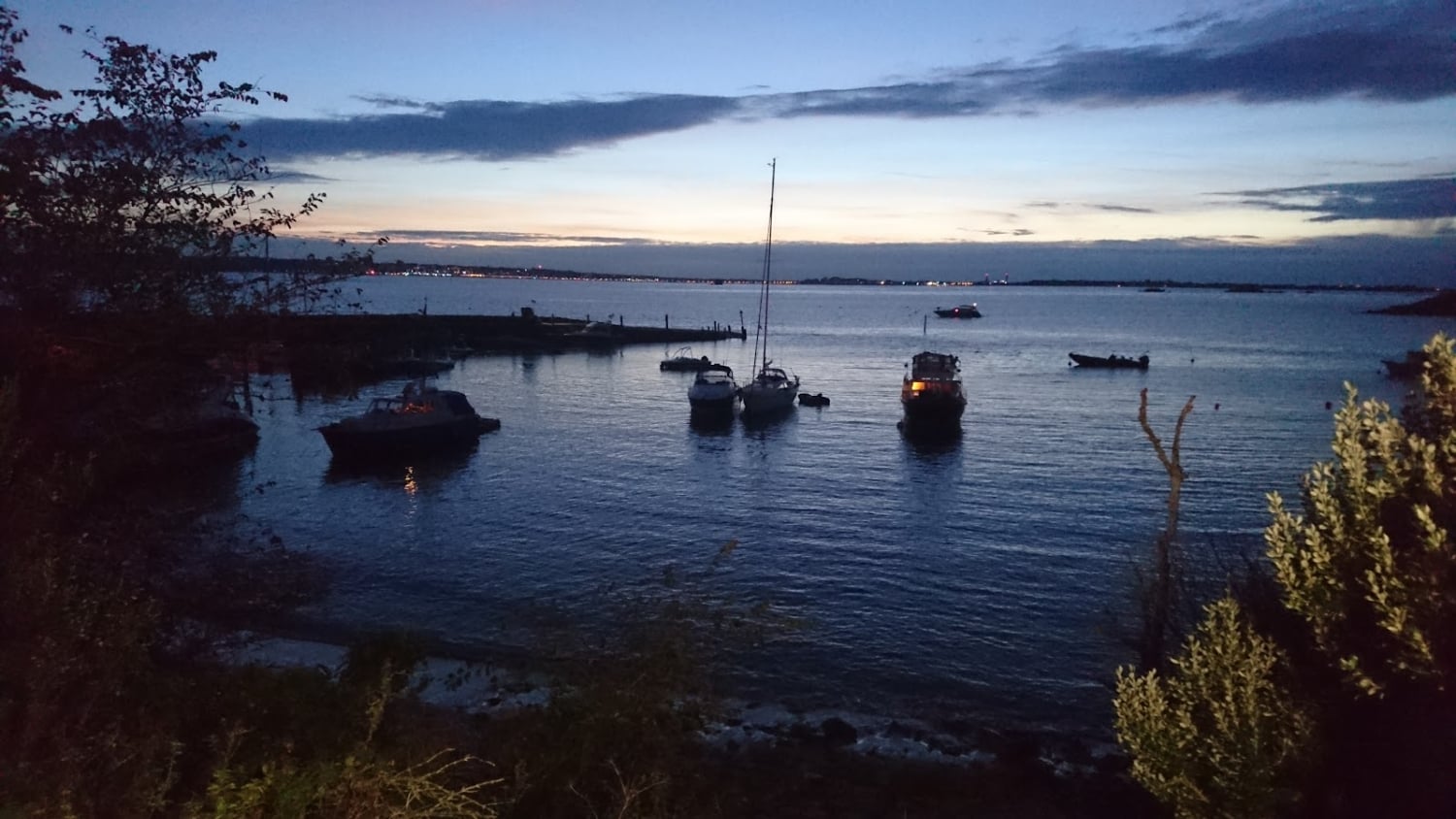
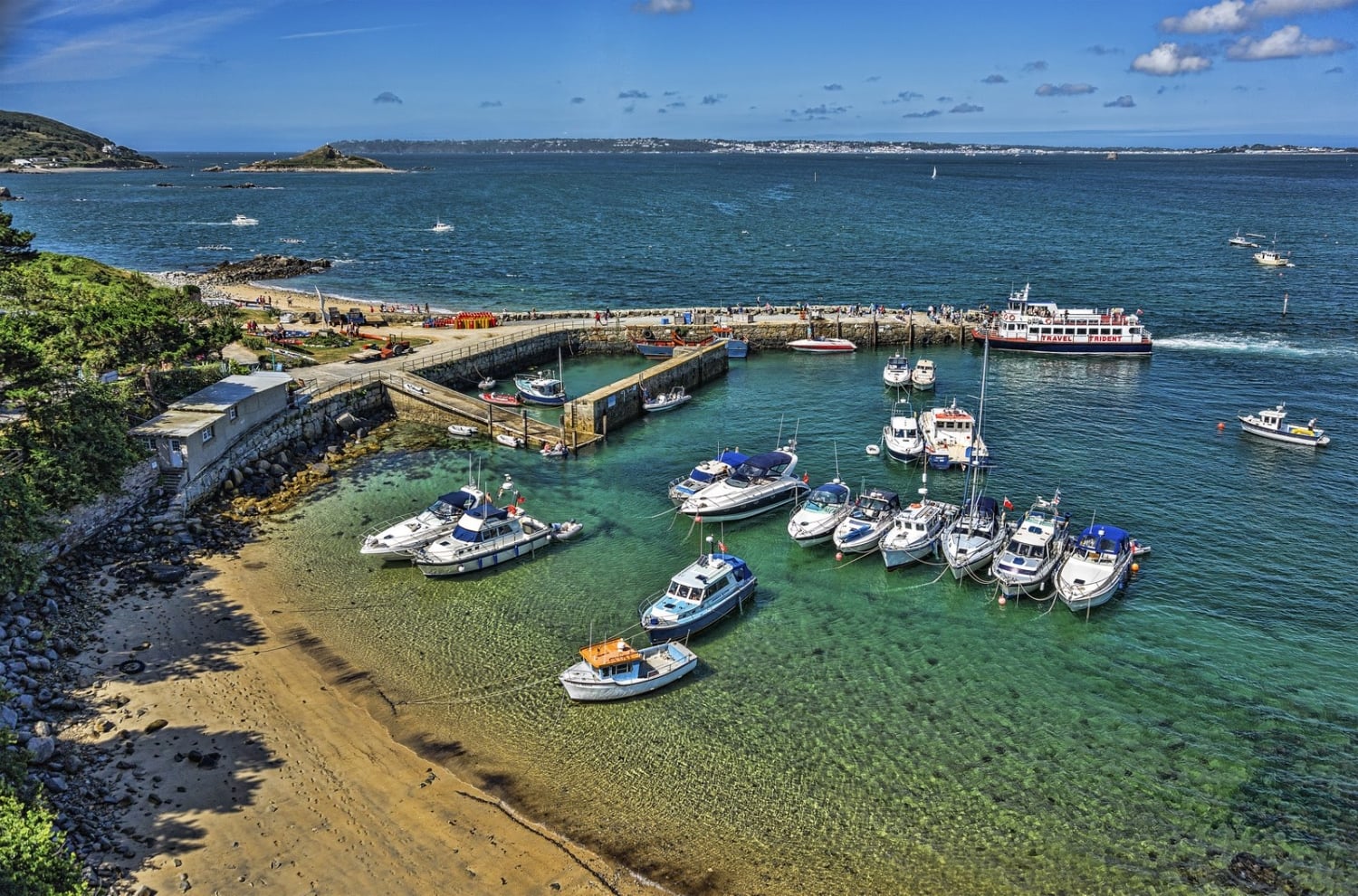
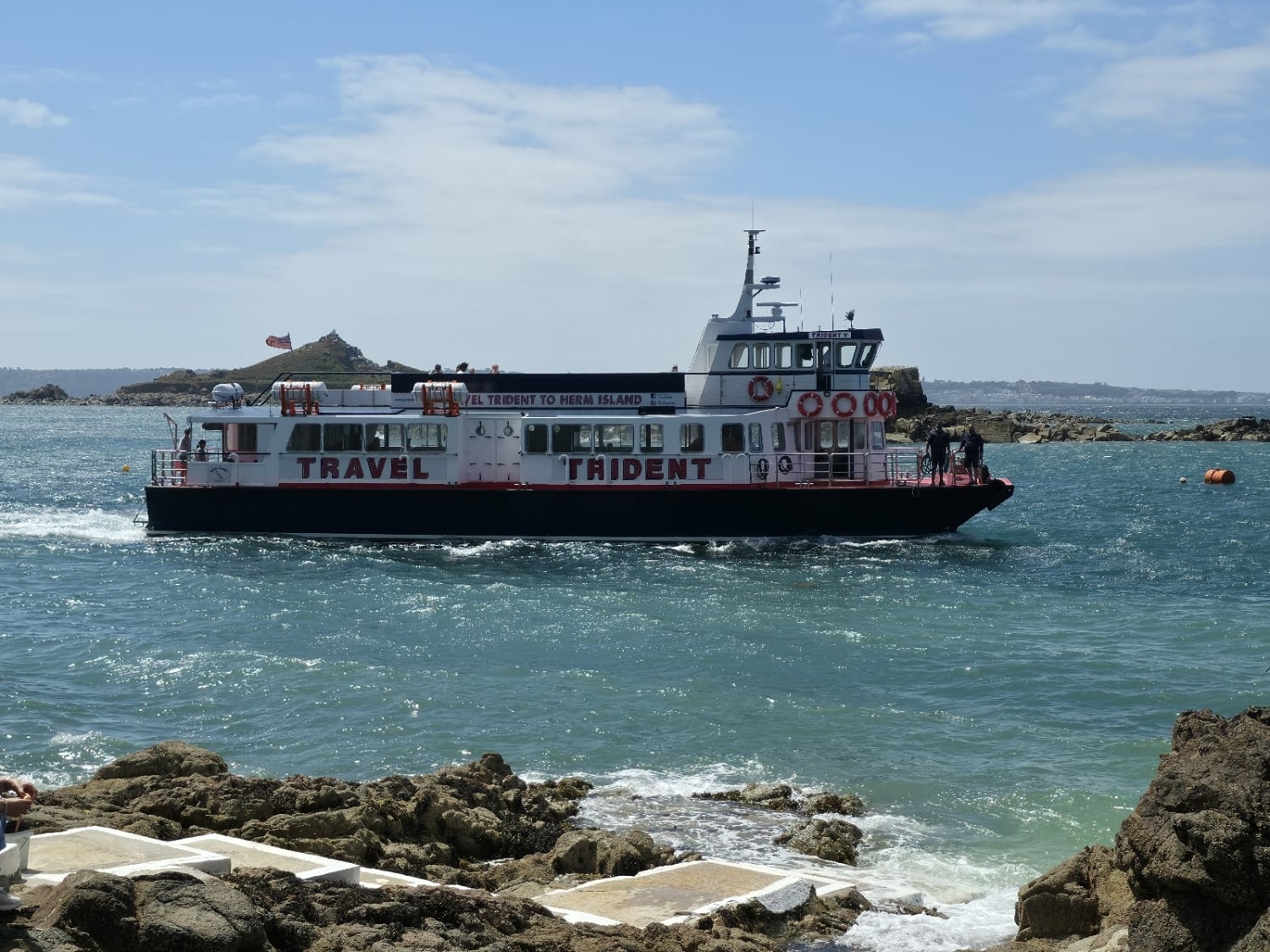
Herm Harbour is the main point of arrival for visitors travelling to Herm, a small island around three miles from Guernsey. The crossing from St Peter Port Harbour takes about 20 minutes, making the harbour an accessible starting point for a day trip or a longer island stay. Arrival by boat also sets the tone for Herm, where cars, crowds and busy urban routines give way to a quieter coastal setting.
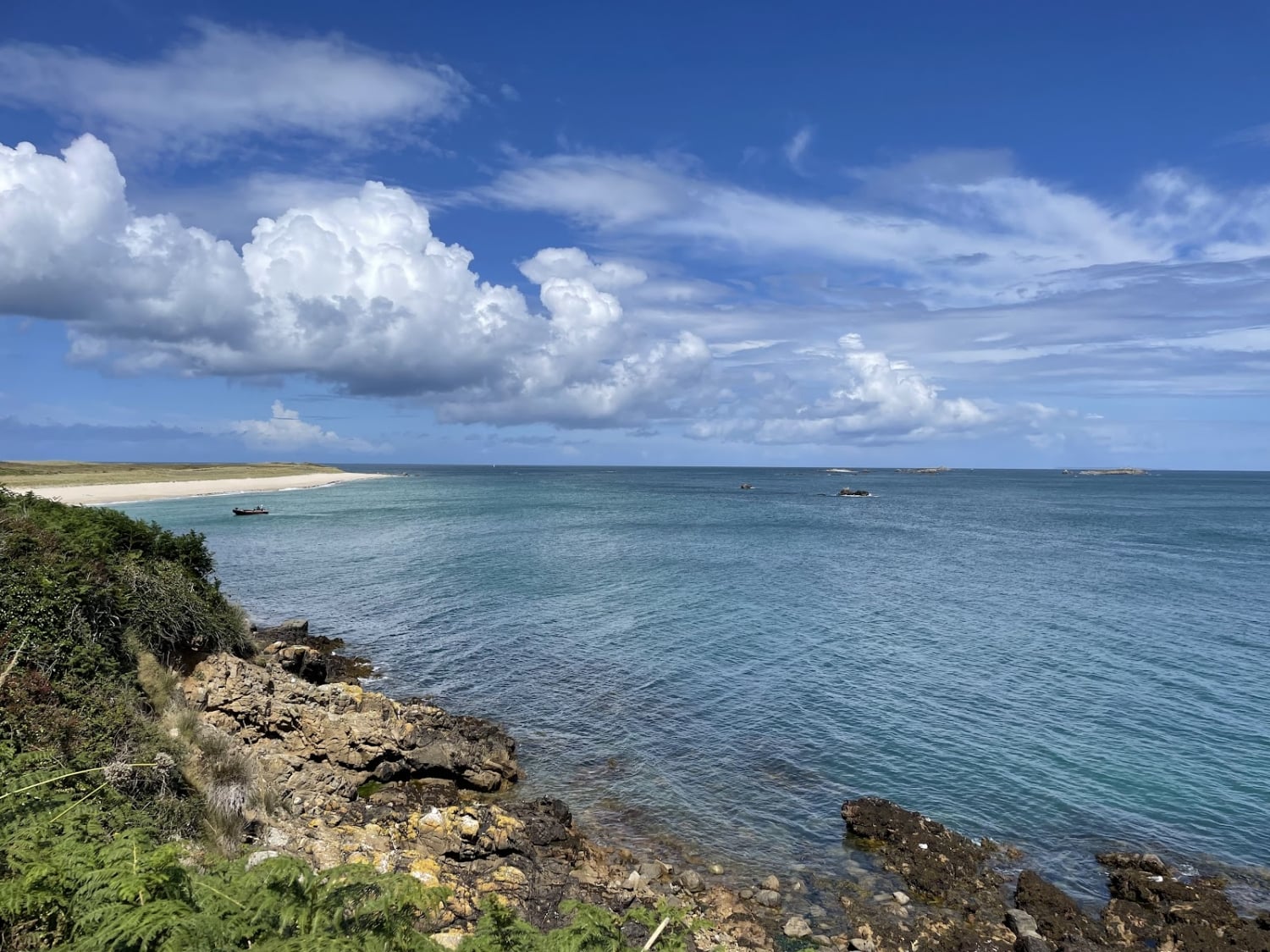
From the harbour, the island opens into a landscape of beaches, walking routes, nature trails and views across the surrounding Channel Islands and towards the French coast. Herm’s compact scale makes it suitable for exploring at a relaxed pace, with the coastline and beaches forming the main focus of a visit. Activities available around the island include swimming, sunbathing, kayaking, walking and guided tours, while the natural environment provides opportunities to experience island wildlife and changing coastal scenery.
Herm Harbour suits visitors looking for a straightforward escape from the mainland, as well as families seeking outdoor space and a slower setting. The island’s car-free character supports walking-based exploration, with points of interest including Shell Beach, Belvoir Beach, St Tugual’s Chapel, Valley Garden and several historic sites. The Herm Shop provides maps for exploring the island and learning more about its history.
Food and refreshment options are available elsewhere on Herm rather than at the harbour itself. The island’s places to eat range from pub and bistro food to formal dining, gourmet cooking and beach cafés serving lighter fare. Accommodation includes the White House Hotel, holiday cottages, apartments and a campsite, allowing the harbour to function as an arrival point for both short visits and overnight breaks.
Herm Harbour is best understood as the gateway to a car-free island experience rather than as a standalone attraction with a programme of activities. Its importance comes from the connection it provides between Herm and Guernsey, and from the easy transition it offers into walks, beaches, nature and island life. Travel planning should account for the boat crossing, while the rest of the visit can be shaped around the coastline, outdoor activities, food and the island’s historic places.